

26 ways to improve fussy eating in 2026
Eating is complex.
If you could use 3 hot tips to make picky eating a thing of the past, you would already have done that.
However, a check list of 26 proven ways to improve eating is a good way to evaluate whether you have many of the basics in place.
26 ways to improve fussy eating
1. Seek help if you need it. This may feel a little self-serving, of course I would say this if I provide a service! However, I also know that when I thought my child was speech delayed, I sought out an expert in the field.
You don’t know what you don’t know and research (AKA Insta scrolling) can usually only get you so far.
One of the most common things for parents to say when they work with me is “I wish we’d done this sooner”.
2. Share not stare. If you have ever eaten alone, you would appreciate it’s not usually as fun as eating with your favourite people. Even worse, would be eating while a friend or relative is sitting with you staring at you eat. Worse still would be eating while someone wills you to eat and even makes comments to encourage you to do so.

3. Use positive words around food. You want your child to be the best version of themselves they can be. You cheer, celebrate and support them. Except often, inadvertently when it comes to eating.
Think of the language we use to describe children who struggle to eat ‘fussy’ ‘picky’. Conversely, we focus on not negatively labelling children who have reading challenges or aren’t good at maths.
Think of the way you encourage your children to swim or read and apply that same ‘you can do it, I believe in you’ positive approach to feeding.
4. Believe they can eat new foods. Again, as a parent you have enormous influence over your child and their thoughts. It is going to be more challenging for them to believe they can eat widely and well if everything screams this is not what you believe.
Your confidence helps build their confidence.
5. Involve them around food. Yes, you have limited time and energy, but all the touch points away from the table can make a difference over time.
Whatever you have time for is supportive. Can they help you grocery shop, unload the shopping, wash the fruit and veg, prep food, cook something for dinner, set the table, grow herbs, fruit or vegetables.
You can also read books about food, plan meals or search up recipes.
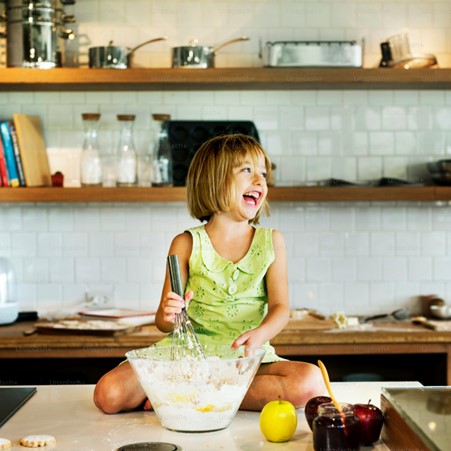
6. Offer new foods. It can be tempting to find foods your child eats happily so serve them on repeat. Why serve foods they refuse every time? The problem with only serving their favourites is that it shuts the door to potentially eating new foods.
If you can offer both accepted and small quantities of new foods they have the opportunity to eat different foods.
7. How you offer foods is important. If you ask a child “would you like this nugget that you love or this fritter that you have never seen before?” the chances are it’s not going to work out well for the fritter!
Instead, there are more supportive ways to make the fritter more likely to be accepted:
i) Market it differently. Maybe you talk about how fritters were a favourite food for you as a child.
ii) Involve them in the making so it’s not a ‘new scary thing’
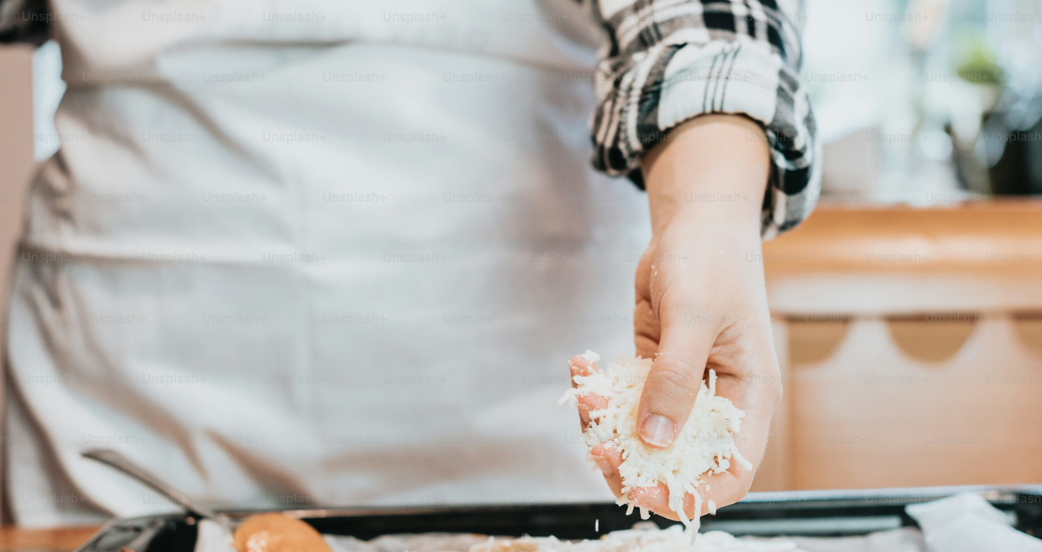
iii) Play to strengths, if they love cheese, make it 50% cheese
There are multiple other ways to market foods effectively – I could write a whole blog on this. Suffice it to say, you are probably going to have to work harder if it’s a new food than a favourite!
8. Offer new foods consistently. The average number of times a parent offers a new food to their child before giving up is 5.
Both from my experience and from the research this is nowhere near enough times to make a difference. Children need to see foods repeatedly before they are even close to wanting to give them a taste.
9. Interaction with foods. Children who are food anxious for whatever reason are likely not going to eat a food because you’ve showed it to them x number of times.
However, there are ways that you can gently build additional comfort with new foods through interaction. This may look different depending on the age and stage of your child, but any way you can encourage low-pressure engagement with a food will be helpful in the long-term.
Are you more likely to eat a food you have seen and handled repeatedly or something that appears ‘new’?
10. Mess is often a positive. Okay, mess is a positive for them, not so much for you. But part of supporting your child to interact with foods is being accepting of mess.
There is a lot of evidence that handling food is important and playing with it (productively) is useful for building comfort.
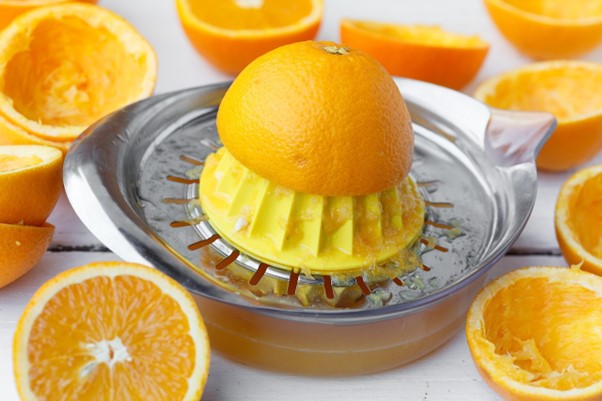
Let’s face it, if you’re unwilling to hold an orange in your hand, the chances are you’re going to be unenthused about eating it. And if squeezing the juice out makes a mess but helps link orange juice that they enjoy to a fresh orange they avoid, that’s got to be helpful.
11. Have fun with food. Eating is supposed to be a pleasurable experience. If you are a foodie, then this seems obvious. However, if food is ‘not your thing’ then it can feel more like a chore.
That’s why it’s even more important when you have a child who is not enthused about eating to make it as fun as is feasible. Again, this will look different depending on their age and interests, but it can be really simple things like renaming a smoothie after them or colouring ‘Hulk pancakes’ green.
12. Change is good. Eating the same foods over and over creates habits. It gets harder and harder to eat new foods when your routine says you have x for breakfast, y for lunch and z for dinner.
13. Slight variations are often best. Yes, it’s important to change up the foods that you serve your child. But what if they refuse any new foods?
This is where slight variations begin a change process and prevent you from feeling totally stuck. You can start with easy things like a change in shape like cutting the toast differently or serving the cereal in a cup not a bowl.
From there you can make tiny changes such as adding some cocoa powder to the porridge to make chocolate porridge or adding sprinkles to the smoothie.
These small changes first get you moving from stuck and second help to prevent rigidity where only x food is accepted and only if served in a specific way.
14. Home made is best. Without becoming a MasterChef or spending all weekend in the kitchen, if you can make some of your child’s foods, particularly snacks that is often helpful.
A commercially produced fruit puree is always the exact same taste, texture and sweetness, ditto a cookie. If you can do home-made versions, they will always be slightly different. It also gives you the ability to vary things over time (see point 13)
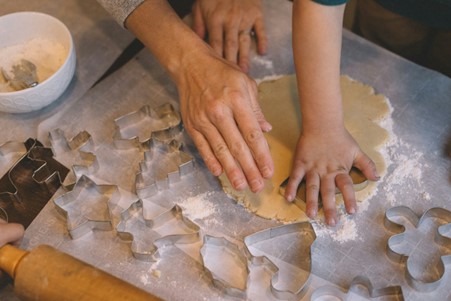
15. Be in charge. Almost every family I work with, whether their child is 4 or 14 has a child who is making food decisions. If your child decides the important things such as what gets served, and when that happens, then it is going to be difficult to improve eating.
If you are not in charge, you cannot make changes. One of the first things I do when working with families is ensure that the parents are calling the shots, in a gentle and inclusive manner.
16. Give your child more autonomy. This may seem like a contradiction when you need to be in charge, but it’s actually the opposite. Carving out ways to give more autonomy in places that don’t matter, is important. Again, this is going to look different depending on your child’s age etc.
It could be as simple as choosing the plate, pouring their own milk or choosing a meal one night a week.
17. You set the tone. Being in charge comes with responsibility. It’s important to set the tone around feeding. If you are stressed about food, food becomes stressful.
You are also their role model. What you do influences what they do. Children learn best by over time watching your lead.
18. Make meals relaxed and pleasurable. Both my experience and multiple research studies show that the more relaxed children are at mealtimes, the more likely they are to eat. It makes sense, if you are upset or angry food is not top of mind.
Even if it feels enormously stressful for you, take deep breaths before feeding your child and smile and relax. If you can, role model eating pleasurably so that your child can see that this is how meals should be.

19. Remain calm. However much your child may drive you crazy when it comes to food. And I know that even the most zen parents can lose their cool around feeding as it is sooo frustrating to have someone who refuses lovingly prepared foods, particularly ones they previously ate willingly.
But when they get agitated meeting that with calm (whatever you are genuinely feeling) helps to deescalate emotions. Remembering that heightened emotions are the enemy of eating well.
20. Be careful with praise. It’s important to teach your child to eat for intrinsic reasons, which means they feel hungry so they eat (and over time make good choices). Your job as a parent is to teach them to do this independently.
A simple way to start this process is by using praise in specific ways. For example, if you cheer because they have eaten a vegetable it can put pressure on them or make them uncomfortable.
Instead, using praise cautiously and indirectly can be more supportive. A casual “oh, I like beans too” is generally better than enthusiastic cheering for eating a bean.
21. Give praise. Conversely, parents can forget to give their child any praise. What is there to celebrate when they are having the same plain pasta every night? But most children feel good when the parental sun shines on them.
You can do this in contextual and age-appropriate ways (not focused on eating) such as “thank you so much for helping in the kitchen tonight, I couldn’t have done it without you”.
22. Snacks can be the enemy. Snacks often affect meals. They are easy to eat, more-ish and generally the happy space. Dinners are harder foods to eat, and so children gravitate towards snacks.
However, a tummy full of snacks means less hunger and if your child is not hungry enough, they are unlikely to eat lunch or dinner as well.

23. Supper can affect dinner. If your child is not enthused about dinner but gets favourite foods later in the evening, it can affect their main meal. Hmm, do I want the fish and veg or my favourite crackers later? Generally, that is a no-brainer.
24. Look at food globally. It’s easy to feel totally demoralised because your child has not eaten dinner AGAIN. But if this is the case, what has happened across the rest of the day (and even the week).
For example, it’s common for toddlers to ‘front load’ and eat a tonne of calories in the early part of the day and then not be as hungry later in the day, particularly if they are tired. As long as the food earlier in the day contains nutrient-dense options, this is likely fine though.
If your child eats a small breakfast, not a lot at school and then is ravenous in the afternoon and wants to eat everything not nailed down, then refusing dinner, then they have their eating opportunities mixed up – which is common.
However, in this scenario, if the foods they eat in the afternoon tend to be processed and nutrient-light, they are likely missing out on eating foods helpful for optimal health.
Looking at food across a day, or even a week is a much more productive way of analysing are they a) eating enough b) getting the nutrients they need c) eating at times that mean they maximise their intake of nutrient-dense foods.

25. Understanding hunger is important. It’s important as a parent to understand the impact of hunger and help establish routines that use it to your advantage when feeding your child.
It’s also important your child recognises and works with their own hunger cues. These can be missing or misinterpreted by children who struggle to eat.
For example, not eating breakfast or lunch at school means the tummy over time stops giving hunger signals, which means your child genuinely does not feel hungry and so stops being motivated to eat at these times.
However, children need food consistently to keep energy levels up, maintain good blood sugar balance and be able to concentrate.
26. Supporting better eating is important. Lots of contemporary research shows that although many children grow out of fussy eating, many do not.
Similarly, over time picky eating can actually become more rather than less of a problem. And even if the issues don’t get ‘worse’ habits get built and those become harder and harder to change.
I will leave you with a few thoughts. There are many ways to improve fussy eating, but generally:
i) It does not have to be miserable for you or for them (in fact it can be fun!)
ii) Tackling it early often prevents it becoming entrenched
iii) Getting help will clarify issues, speed things up and give you a step-by-step plan
Judith, MA Cantab (Cambridge University), MSc Psychology (first-class honours), is working on a PhD, is an AOTA accredited picky eating advisor and internationally certified nutritional therapist. She works with 100+ families every year resolving fussy eating and returning pleasure and joy to the meal table.
She is also mum to two boys and the author of Creating Confident Eaters and Winner Winner I Eat Dinner. Her dream is that every child can approach food from a place of safety and joy, not fear.
Learn more about Judith here: https://theconfidenteater.com/about/